
If you’re a woman over 40 who wakes up feeling like you’ve aged overnight, you’re not imagining things. That morning stiffness, the aches that seem to appear from nowhere, and the feeling that your body has suddenly betrayed you are real experiences shared by millions of women.
This isn’t about “getting old” or accepting discomfort as your new normal. Something specific happens to women’s bodies after 40 that creates these frustrating changes, and understanding what’s really going on can help you take back control.
We’ll explore the hormonal shifts that transform your body after 40 and how they directly impact your joints, muscles, and recovery. You’ll discover the hidden physical changes that create that dreaded morning stiffness and learn why your usual exercise routine might actually be working against you. Most importantly, we’ll cover science-backed solutions that can help reverse stiffness and restore the mobility you thought was gone forever.
The Hormonal Shifts That Transform Your Body After 40
Estrogen Decline and Its Impact on Joint Health
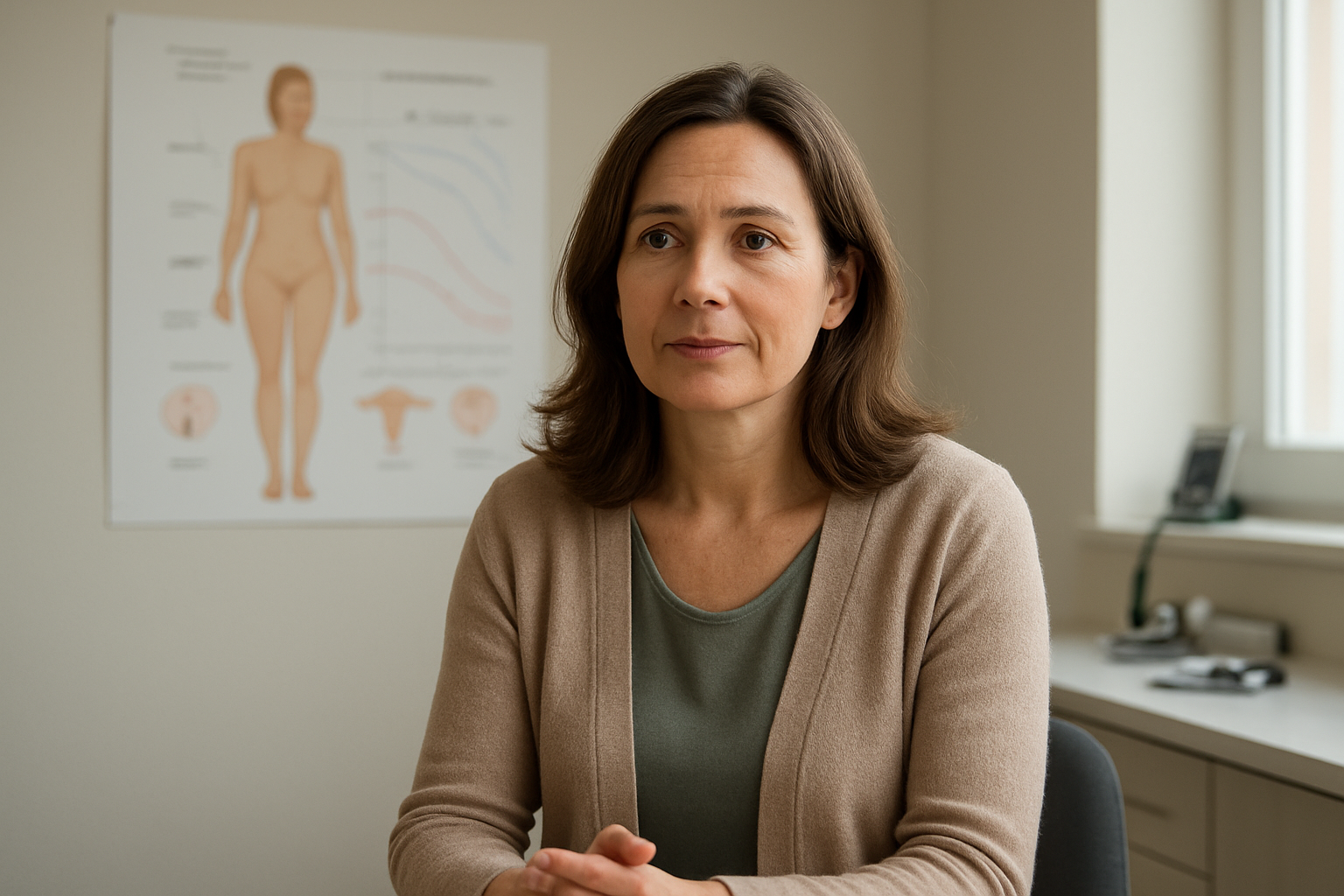
Estrogen acts as your body’s natural lubricant and anti-inflammatory agent, keeping joints flexible and pain-free. When levels start dropping in your 40s, your joints lose this protective shield. The synovial fluid that cushions your joints becomes thinner and less effective, while cartilage begins breaking down faster than it can repair itself.
This hormonal shift explains why you might wake up with stiff fingers or feel your knees creak when climbing stairs. Estrogen also supports collagen production, the protein that keeps ligaments and tendons strong and elastic. Without adequate levels, these connective tissues become brittle and prone to injury. Women often notice increased joint pain in weight-bearing areas like hips, knees, and lower back as estrogen continues its decline.
Progesterone Changes Affecting Muscle Recovery
Progesterone plays a crucial role in muscle repair and recovery after physical activity. As levels fluctuate and eventually decrease, your muscles struggle to bounce back from daily activities that once felt effortless. This hormone helps regulate inflammation and promotes deep, restorative sleep – both essential for muscle healing.
When progesterone drops, you might find that a simple workout leaves you sore for days instead of hours. Your muscles retain more tension, and minor strains take longer to heal. Sleep quality often suffers too, creating a vicious cycle where poor rest prevents proper muscle recovery, leading to chronic stiffness and fatigue.
Cortisol Imbalances Creating Chronic Inflammation
Chronic stress and hormonal changes after 40 often lead to elevated cortisol levels, your body’s primary stress hormone. While cortisol serves important functions, consistently high levels trigger widespread inflammation that settles into joints, muscles, and connective tissues.
This inflammatory state creates a constant background of discomfort that makes everything feel harder. Your body remains in a heightened state of alert, preventing the natural healing processes that occur during rest. Women experiencing cortisol imbalances often report feeling like they’re fighting their own bodies, with stiffness and soreness that seems to come from nowhere.
Thyroid Fluctuations Slowing Metabolism and Repair
Thyroid function commonly becomes sluggish during perimenopause and beyond, dramatically affecting how efficiently your body repairs and maintains tissues. A slower metabolism means nutrients move through your system less effectively, starving muscles and joints of the building blocks they need for repair.
Low thyroid function also impacts circulation, reducing blood flow to extremities and contributing to morning stiffness. Many women notice their hands and feet feel particularly stiff upon waking, requiring longer warm-up periods before normal movement returns. This metabolic slowdown affects protein synthesis too, making it harder to maintain muscle mass and joint integrity as you age.
Hidden Physical Changes That Create Morning Stiffness
Decreased Collagen Production Weakening Connective Tissues
Your body’s collagen factory starts slowing down significantly in your 40s, producing about 1% less collagen each year. This protein acts like scaffolding for your joints, tendons, and ligaments, keeping everything flexible and strong. When production drops, your connective tissues become less elastic and more prone to micro-tears.
Think of collagen like the rubber bands holding your body together. Fresh rubber bands stretch easily and snap back into shape. Old ones become brittle, lose their bounce, and eventually crack. That’s exactly what happens to your connective tissues without adequate collagen support.
The impact shows up most dramatically in your joints and spine. Your cartilage becomes thinner and less cushioned, while ligaments lose their ability to support your joints properly. This creates a domino effect – your body compensates by tightening muscles around vulnerable areas, leading to the stiffness you feel when getting out of bed.
Women experience this decline more rapidly than men due to estrogen’s role in collagen synthesis. As estrogen levels drop during perimenopause and menopause, collagen production takes an even steeper dive, accelerating the breakdown of supportive tissues throughout your body.
Reduced Synovial Fluid Limiting Joint Lubrication
Your joints contain a special fluid called synovial fluid that works like oil in a car engine. This golden liquid reduces friction between moving parts and delivers nutrients to cartilage. After 40, your body produces less of this crucial lubricant, and its consistency changes, becoming thicker and less effective.
The synovial membrane, which produces this fluid, also becomes less efficient with age. Inflammation from daily wear and tear can further reduce fluid quality and quantity. Without adequate lubrication, your joints experience increased friction during movement, creating that grinding or clicking sensation many women notice.
Morning stiffness happens because synovial fluid thickens overnight when you’re not moving. Your first steps of the day require extra effort to get this fluid circulating again and warm up your joints. This process can take 15-30 minutes longer in your 40s compared to your 20s.
The reduction in synovial fluid particularly affects weight-bearing joints like knees, hips, and ankles. These joints depend heavily on this lubrication system to handle daily activities like walking, climbing stairs, and getting up from chairs. Without enough fluid, even simple movements can feel challenging and uncomfortable.
Muscle Mass Loss Accelerating After Age 40
Sarcopenia – the technical term for age-related muscle loss – kicks into high gear around age 40. You naturally lose 3-8% of your muscle mass per decade after this point, with the rate accelerating to 1-2% per year after menopause.
This isn’t just about looking less toned. Your muscles act as shock absorbers and joint stabilizers. When muscle mass decreases, your joints bear more direct impact from daily activities. Weaker muscles also struggle to maintain proper posture, causing your body to rely more heavily on passive structures like ligaments and bones for support.
The loss happens unevenly across different muscle groups. Your core muscles, which support your spine, tend to weaken faster than others. This creates a cascade of compensation patterns where other muscles overwork to pick up the slack, leading to tension and stiffness in unexpected places.
Fast-twitch muscle fibers, responsible for quick movements and power, decline more rapidly than slow-twitch fibers. This explains why movements that used to feel effortless – like jumping up from a chair or quickly changing direction – suddenly feel more challenging and can leave you feeling sore.
Your body also becomes less efficient at building new muscle protein, making it harder to maintain existing muscle mass even with regular activity. This biological shift means you need different strategies to preserve and build muscle compared to your younger years.
Lifestyle Factors That Amplify Age-Related Discomfort

Sedentary Habits Causing Muscle Weakness and Joint Stiffness
Modern life has created a perfect storm for accelerated aging in women over 40. Spending hours at desks, commuting in cars, and relaxing on couches creates a cascade of physical changes that make morning stiffness feel inevitable. When muscles aren’t regularly challenged, they begin to atrophy at an alarming rate—women can lose up to 8% of their muscle mass per decade after age 40.
This muscle loss directly impacts joint stability. Your joints rely on surrounding muscles to provide support and maintain proper alignment. Weak glutes from prolonged sitting cause hip flexors to tighten, pulling the pelvis out of alignment and creating lower back pain. Similarly, rounded shoulders from computer work weaken the upper back muscles while shortening chest muscles, leading to neck and shoulder stiffness.
The “use it or lose it” principle becomes especially harsh for connective tissues. Tendons and ligaments lose their elasticity when not regularly stretched and strengthened. Blood flow to these tissues decreases with inactivity, reducing the delivery of nutrients needed for repair and maintenance. This creates a vicious cycle where stiffness discourages movement, leading to more stiffness.
Even simple daily activities like getting out of bed or climbing stairs become challenging when muscles have been dormant for hours. The body essentially “rusts” from lack of movement, much like a car engine that struggles to start after sitting idle.
Poor Sleep Quality Preventing Proper Tissue Repair
Sleep quality dramatically deteriorates for many women after 40, and this isn’t just about feeling tired. During deep sleep, your body releases growth hormone—the same hormone responsible for tissue repair and muscle recovery. When sleep is fragmented or insufficient, this crucial repair process gets disrupted.
The body performs most of its cellular housekeeping during sleep. Inflammatory proteins are cleared away, damaged muscle fibers are rebuilt, and joints are lubricated with fresh synovial fluid. Poor sleep quality means waking up with joints that feel rusty and muscles that haven’t properly recovered from the previous day’s activities.
Hormonal changes compound these sleep issues. Declining estrogen affects temperature regulation, leading to night sweats that fragment sleep. Progesterone, which has natural sedative effects, also decreases, making it harder to fall into restorative deep sleep phases.
Sleep position matters too. Sleeping on your side without proper pillow support can compress joints and reduce circulation, contributing to morning stiffness. The wrong mattress can create pressure points that interfere with blood flow to muscles and joints.
Poor sleep also elevates cortisol levels, keeping the body in a state of chronic inflammation. This creates a negative feedback loop where inflammation makes sleep more difficult, and poor sleep increases inflammation.
Chronic Stress Elevating Inflammatory Markers
Chronic stress acts like gasoline on the fire of age-related discomfort. When stress hormones like cortisol remain elevated for extended periods, they trigger a systemic inflammatory response that affects every tissue in your body. This isn’t just emotional stress—physical stressors like poor posture, inadequate nutrition, and lack of sleep all contribute to this inflammatory burden.
Elevated cortisol directly breaks down muscle tissue and interferes with collagen production. Collagen is the protein that keeps joints cushioned and skin elastic. When cortisol chronically elevates, it literally accelerates the aging process at a cellular level, making you feel older than your chronological age.
Stress also changes how you move and hold your body. Tension accumulates in predictable patterns—shoulders creep toward ears, jaw muscles clench, and breathing becomes shallow. These physical manifestations of stress create muscular imbalances that persist long after the stressful event has passed.
The inflammatory cascade triggered by chronic stress affects pain perception too. Stress hormones make nerve endings more sensitive, meaning normal sensations feel more intense and uncomfortable. This explains why stiffness and soreness feel worse during particularly stressful periods.
Women over 40 often face unique stressors—caring for aging parents while supporting teenagers, career pressures during peak earning years, and perimenopausal symptoms that affect mood stability. These compounding stressors create the perfect environment for accelerated physical aging.
Nutritional Deficiencies Impacting Bone and Muscle Health
After 40, nutritional needs shift dramatically, but most women continue eating the same way they did in their twenties and thirties. The body becomes less efficient at absorbing key nutrients just when it needs them most for maintaining muscle mass and bone density.
Protein needs actually increase with age, yet many women eat less protein as they get older. Without adequate protein, the body cannot maintain muscle mass or produce enough collagen for healthy connective tissues. The recommended intake of 0.8 grams per kilogram of body weight is inadequate for women over 40—research suggests 1.2 to 1.6 grams per kilogram is more appropriate for maintaining muscle mass.
Vitamin D deficiency affects up to 80% of women over 40, particularly those who work indoors or live in northern climates. This vitamin is essential for calcium absorption, muscle function, and immune system regulation. Deficiency contributes to muscle weakness, bone loss, and increased inflammation.
Magnesium deficiency is equally common but often overlooked. This mineral is involved in over 300 enzymatic reactions, including muscle relaxation and protein synthesis. Low magnesium levels contribute to muscle cramps, tension headaches, and difficulty recovering from physical activity.
| Critical Nutrient | Impact of Deficiency | Common Sources |
|---|---|---|
| Protein | Muscle loss, poor recovery | Lean meats, fish, eggs, legumes |
| Vitamin D | Weak muscles, bone loss | Sunlight, fatty fish, fortified foods |
| Magnesium | Muscle cramps, tension | Dark leafy greens, nuts, seeds |
| Omega-3 fatty acids | Increased inflammation | Fatty fish, walnuts, flax seeds |
The standard American diet, high in processed foods and low in nutrient density, creates a state of chronic low-grade malnutrition. This doesn’t mean calorie deficiency—it means micronutrient deficiency that prevents optimal tissue repair and maintenance.
Why Traditional Exercise Approaches Often Fail Women Over 40
High-Impact Workouts Increasing Joint Stress and Injury Risk
Your 20-something body could handle jumping, sprinting, and high-intensity interval training without missing a beat. But after 40, those same workouts become a recipe for injury and chronic pain. The cartilage in your joints has naturally thinned over time, and your ligaments have lost some of their elasticity. What once felt energizing now leaves you hobbling for days.
High-impact exercises like running on concrete, plyometric jumps, and aggressive CrossFit-style workouts place tremendous stress on already-compromised joints. Your knees, hips, and spine absorb forces that are two to three times your body weight with each jump or hard landing. Without adequate recovery time between sessions, these repetitive impacts create micro-damage that accumulates into chronic pain and stiffness.
The fitness industry’s obsession with “no pain, no gain” mentality becomes particularly dangerous for women over 40. Your body now needs more time to repair tissue damage, yet popular workout programs push you to train harder and more frequently. This mismatch between what your body needs and what you’re putting it through creates a cycle of inflammation, soreness, and eventual burnout.
Ignoring Hormonal Recovery Needs in Workout Planning
Most fitness programs are designed with male physiology in mind, completely ignoring the hormonal complexities women face after 40. As estrogen levels fluctuate and eventually decline, your body’s ability to recover from intense exercise changes dramatically. You can’t just power through workouts like you used to.
During perimenopause and menopause, declining estrogen affects your sleep quality, making it harder to achieve the deep, restorative sleep your muscles need to repair. Your cortisol patterns also shift, often staying elevated longer after exercise. This means that morning boot camp class might leave your stress hormones sky-high for hours, contributing to that “wired but tired” feeling.
Traditional workout schedules ignore your menstrual cycle fluctuations (if you still have them) and the energy dips that come with hormonal changes. Week one you might feel strong and capable, while week three finds you struggling through the same routine. Instead of adapting to these natural rhythms, most programs demand consistent intensity regardless of how your body feels.
Your body also processes and clears lactic acid more slowly now, meaning that burning sensation lingers longer and recovery takes more time. Yet most fitness plans still recommend exercising 5-6 times per week without considering these physiological changes.
Focusing on Weight Loss Instead of Functional Strength
The biggest mistake in exercise programming for women over 40 is treating fitness like a weight-loss tool rather than a strength and mobility preservation system. Those endless cardio sessions and calorie-burning classes might have helped you lose pounds in your twenties, but they’re not addressing what your body actually needs now.
Your muscle mass naturally decreases by 3-8% per decade after age 30, with the loss accelerating after menopause. This muscle loss directly contributes to that stiff, achy feeling because weak muscles can’t properly support your joints. Yet most “women’s fitness” programs still emphasize light weights and high repetitions, barely challenging your muscles enough to maintain what you have, let alone build new strength.
Real functional strength means being able to carry groceries upstairs without your back aching, get up from the floor without using your hands, or play with grandchildren without feeling exhausted. This requires compound movements that work multiple muscle groups together, progressive overload to actually build strength, and exercises that improve coordination and balance.
The scale-focused mindset also leads to under-eating, which compounds the problem. Your muscles need adequate protein and calories to recover and rebuild. When you’re constantly in a caloric deficit chasing weight loss, your body lacks the resources to repair exercise-induced damage, leaving you perpetually sore and inflamed.
| Traditional Approach | What Your Body Actually Needs |
|---|---|
| Daily cardio sessions | 2-3 strength sessions per week |
| Light weights, high reps | Progressive overload with heavier weights |
| Calorie restriction | Adequate protein and recovery nutrition |
| Ignoring rest days | Prioritizing sleep and recovery |
| Same routine year-round | Adapting to hormonal fluctuations |
Science-Backed Solutions to Reverse Stiffness and Restore Mobility

Hormone-supportive nutrition strategies for better recovery
Your body needs specific nutrients to produce hormones efficiently and combat the inflammatory processes that cause stiffness. Focus on omega-3 rich foods like wild-caught salmon, sardines, and walnuts to reduce systemic inflammation. These healthy fats serve as building blocks for hormone production while cooling down inflamed joints and tissues.
Cruciferous vegetables like broccoli, Brussels sprouts, and kale contain compounds that help your liver process excess hormones more effectively. When estrogen metabolism improves, you experience less joint pain and better sleep quality. Add fermented foods like kimchi, sauerkraut, and Greek yogurt to support gut health – your microbiome directly influences hormone balance and inflammation levels.
Protein timing matters more than you might think. Consuming 25-30 grams of complete protein within two hours after any physical activity helps repair muscle tissue and prevents the breakdown that contributes to morning stiffness. Consider plant-based options like hemp seeds and quinoa alongside traditional sources.
Magnesium-rich foods deserve special attention. Dark chocolate, pumpkin seeds, and leafy greens provide this mineral that relaxes muscles and improves sleep quality. Many women over 40 are deficient in magnesium, which explains why cramping and tension increase with age.
Low-impact movement patterns that rebuild strength safely
Traditional high-intensity workouts can actually worsen stiffness by creating additional inflammation in an already stressed system. Your joints need movement that enhances circulation without adding excessive strain.
Water-based exercises provide the perfect environment for rebuilding strength. The buoyancy reduces joint compression by up to 90% while water resistance challenges muscles in all directions. Swimming, water walking, and aqua aerobics improve cardiovascular health while being incredibly gentle on sensitive areas.
Resistance band training offers variable resistance that adapts to your strength throughout each movement. Unlike heavy weights that stress joints at their weakest points, bands provide accommodating resistance that protects vulnerable areas while still challenging muscles effectively.
Yoga and tai chi combine strength building with flexibility enhancement. These practices improve proprioception – your body’s awareness of position and movement – which decreases with age and contributes to stiffness. The flowing movements also activate the parasympathetic nervous system, reducing stress hormones that increase inflammation.
| Movement Type | Benefits | Frequency |
|---|---|---|
| Water Exercise | Joint decompression, full-body strengthening | 2-3x per week |
| Resistance Bands | Adaptive resistance, injury prevention | 3-4x per week |
| Yoga/Tai Chi | Flexibility, balance, stress reduction | Daily |
Sleep optimization techniques for enhanced tissue repair
Quality sleep becomes even more critical after 40 because growth hormone – your body’s primary repair mechanism – is released predominantly during deep sleep phases. Poor sleep directly correlates with increased pain sensitivity and slower recovery times.
Create a sleep sanctuary by keeping your bedroom temperature between 65-68°F. Your core body temperature naturally drops during sleep, and a cool environment supports this process. Blackout curtains and eye masks block light that disrupts melatonin production, while white noise machines mask disruptive sounds.
Establish a consistent pre-sleep routine that begins 90 minutes before bedtime. This might include gentle stretching, reading, or meditation – activities that signal your nervous system to wind down. Avoid screens during this window, as blue light suppresses melatonin production by up to 23%.
Consider natural sleep aids like magnesium glycinate (200-400mg), which promotes muscle relaxation and deeper sleep stages. Tart cherry juice contains natural melatonin and has been shown to increase sleep duration by an average of 85 minutes per night.
Stress management tools to reduce inflammatory responses
Chronic stress elevates cortisol levels, which directly increase inflammation throughout your body. When cortisol remains elevated, it interferes with tissue repair and makes existing aches and pains feel more intense.
Deep breathing exercises activate your vagus nerve, switching your body from stress response to recovery mode. The 4-7-8 technique – inhaling for 4 counts, holding for 7, and exhaling for 8 – can lower cortisol levels within minutes. Practice this technique three times daily for maximum benefit.
Progressive muscle relaxation helps identify areas where you unconsciously hold tension. Starting with your toes and working upward, tense each muscle group for 5 seconds, then release completely. This practice teaches your nervous system the difference between tension and relaxation, making it easier to release chronic tightness.
Mindfulness meditation changes brain structure in ways that reduce pain perception. Just 10 minutes daily can decrease activity in the amygdala – your brain’s alarm center – while strengthening areas responsible for emotional regulation. Apps like Headspace or Insight Timer provide guided sessions specifically designed for pain management.

That sudden shift from feeling energetic to waking up stiff and sore isn’t just in your head—it’s your body responding to real hormonal and physical changes after 40. The drop in estrogen affects everything from your joints to your muscle recovery, while hidden changes in fascia and connective tissue create that “creaky” feeling many women experience. When you add stress, poor sleep, and exercise routines that weren’t designed for your changing body, it’s no wonder traditional fitness approaches leave you feeling worse instead of better.
The good news is that understanding what’s happening gives you the power to fight back. Simple changes like prioritizing sleep, managing stress, and switching to movement patterns that support your hormonal shifts can make a dramatic difference in how you feel each morning. Your body isn’t failing you—it’s just asking for a different approach that works with your biology instead of against it.