

You wake up tired even after eight hours of sleep. Your stomach bloats after almost every meal. Your skin keeps breaking out and nothing you put on it seems to help. You’ve probably chalked it all up to stress or getting older. But there’s a good chance your gut is trying to tell you something.
Your gut does a lot more than digest food. It produces most of your serotonin, trains your immune system, and communicates directly with your brain. When the balance of bacteria in your intestines gets disrupted, the effects show up in places you wouldn’t expect. Your energy, your skin, your mood, even the foods you used to eat without a problem can all be affected.
This post breaks down five warning signs that your gut needs attention. Some are obvious, others will surprise you. We’ll also walk through a practical plan for restoring your gut health, from specific dietary shifts and supplements to a realistic four-week timeline you can actually follow.
Critical Signs Your Gut Needs Help
Sign #1: Persistent Bloating and Gas After Meals
Does your stomach feel like a balloon 30 to 90 minutes after eating? That specific timing tells you something important about what’s happening inside your digestive system. When bloating strikes this quickly after meals, you’re likely dealing with poor digestive enzyme function or bacterial overgrowth.
Here’s what many people don’t realize: SIBO, or Small Intestinal Bacterial Overgrowth, affects between 6% and 15% of otherwise healthy individuals. These bacteria set up camp where they shouldn’t be and start fermenting your food before your body can properly digest it. The result? Excessive gas production that leaves you uncomfortable and distended.
Food intolerances play a major role too. FODMAPs, lactose, and gluten can trigger inflammatory responses in your gut that trap gas and cause that miserable bloated feeling. Everyone experiences occasional bloating after a large meal. That’s normal. But chronic distension that messes with your daily activities, prevents you from fitting into your clothes comfortably, or causes genuine pain signals that your gut needs help.
Sign #2: Irregular Bowel Movements (Constipation or Diarrhea)
Let’s talk about what healthy actually looks like. Your bowel movements should happen one to three times daily, landing somewhere around types 3 or 4 on the Bristol Stool Chart. That means smooth, soft sausage-shaped stools that pass easily.
When your microbiome falls out of balance, beneficial bacteria like Bifidobacterium and Lactobacillus take a hit. These microscopic helpers regulate how quickly food moves through your system. Without enough of them, you end up with irregular bowel movements that swing between constipation and diarrhea.
Do you alternate between both extremes? That pattern signals dysbiosis or potentially IBS, conditions affecting 10% to 15% of adults. And if your transit time stretches beyond 72 hours, your body starts reabsorbing toxins it was trying to eliminate. This increases inflammation throughout your system and creates a vicious cycle of gut health problems.
 Sign #3: Unexplained Fatigue and Brain Fog
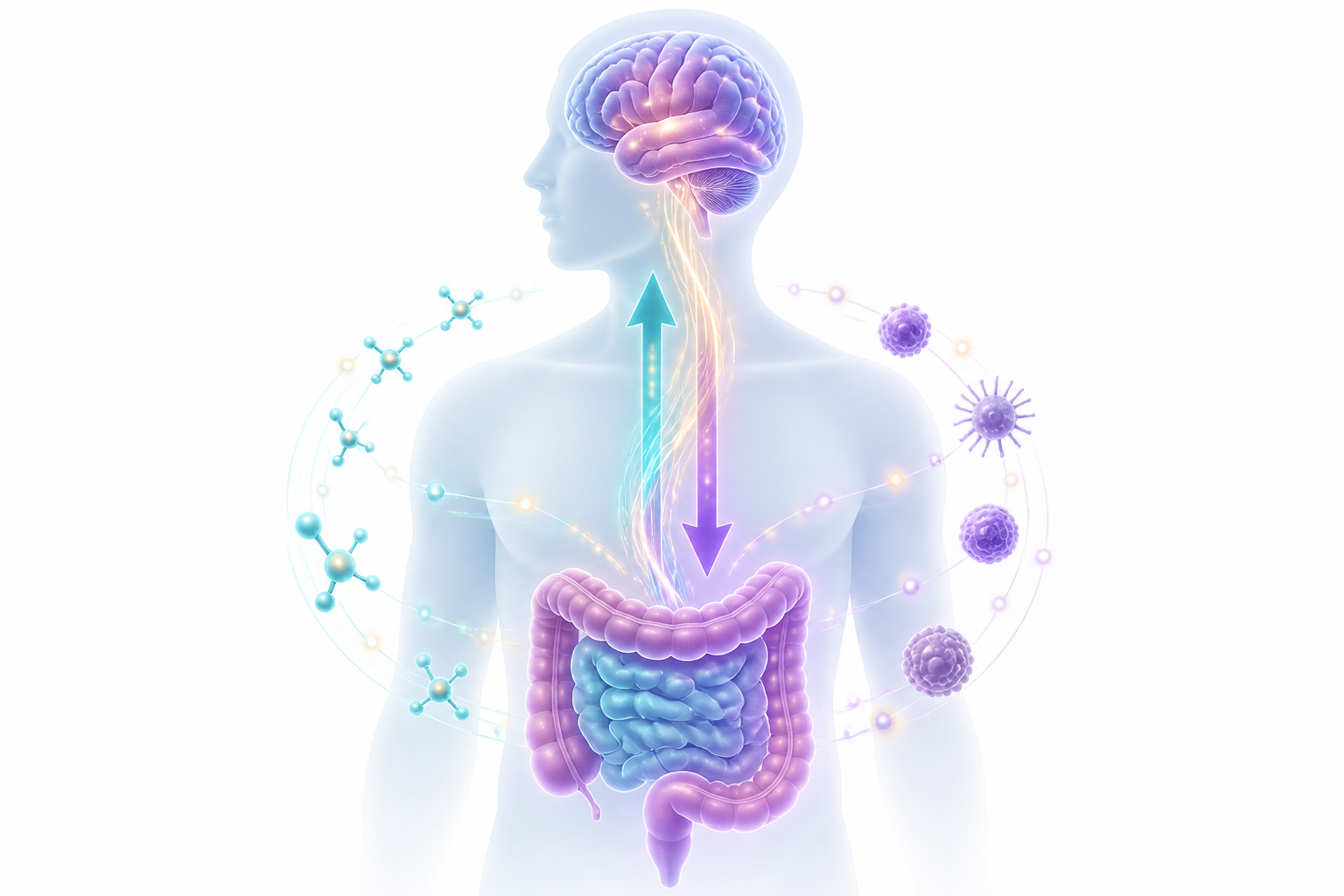 Sign #3: Unexplained Fatigue and Brain Fog
You’re getting enough sleep, but you still feel exhausted. Your brain feels fuzzy, like you’re thinking through a cloud. These symptoms might seem unrelated to your gut, but they’re often directly connected through the gut-brain axis.
Your intestinal microbiome produces neurotransmitters. In fact, 90% of your body’s serotonin is made in your gut. When your microbiome struggles, so does your mood and mental clarity.
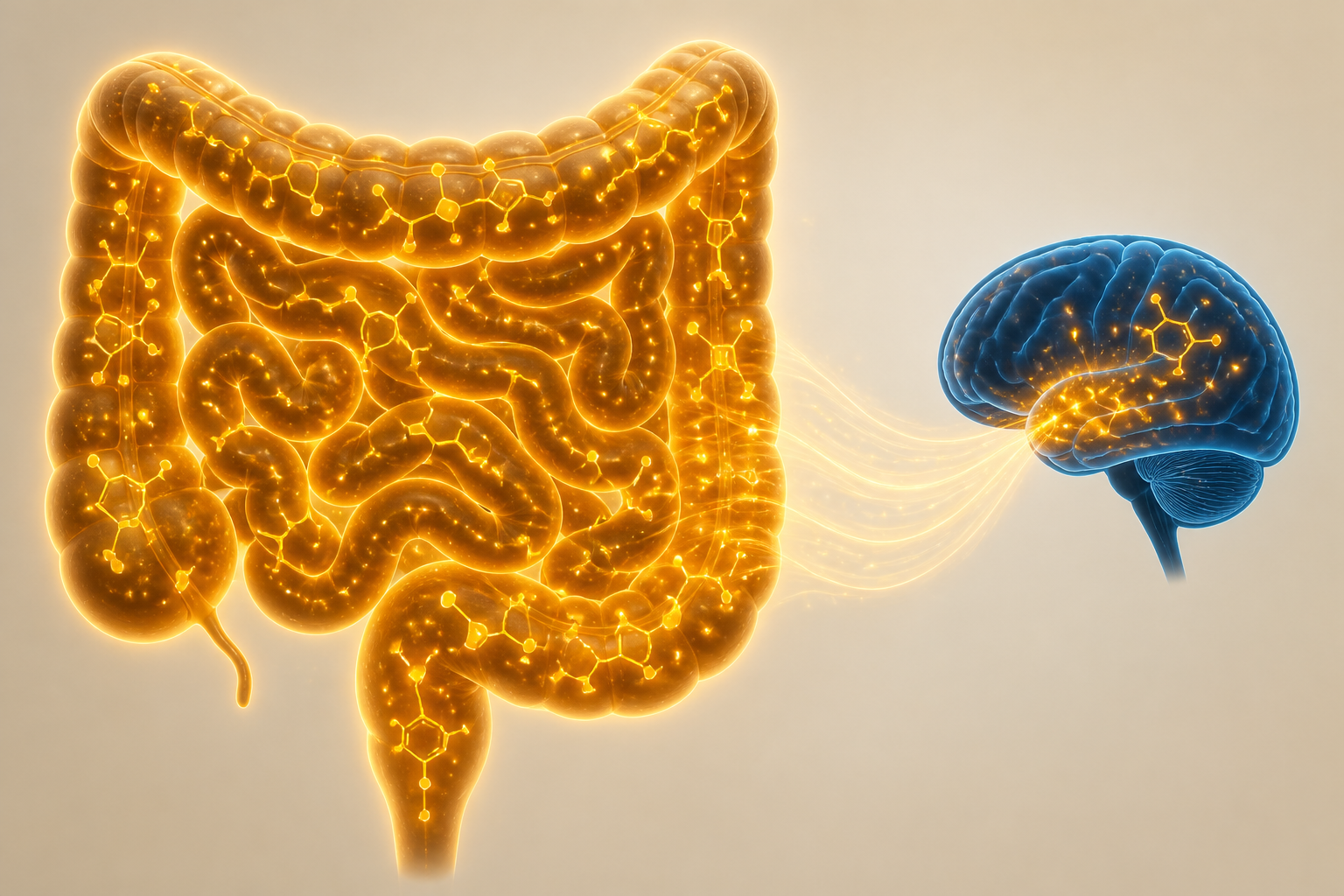 Leaky gut syndrome allows lipopolysaccharides, or LPS, to escape into your bloodstream. These bacterial components trigger systemic inflammation that leaves you feeling drained and mentally sluggish. Your damaged intestinal lining can’t absorb nutrients properly either, creating deficiencies in B12, iron, and magnesium that compound your fatigue.
Research shows chronic fatigue despite adequate sleep often correlates with low microbial diversity. When you have fewer than 150 bacterial species in your gut, your entire system pays the price.
Sign #4: Skin Problems (Acne, Eczema, Rosacea)
Your skin is basically a mirror reflecting your internal health. The gut-skin axis is real, and research demonstrates that 54% of acne patients have altered gut microbiota composition compared to people with clear skin.
When your intestinal barrier becomes permeable, bacterial endotoxins leak into your bloodstream and travel throughout your body. Your skin responds with inflammatory conditions like acne, eczema, and rosacea. Dysbiosis ramps up histamine production, which causes those frustrating rosacea flare-ups and chronic inflammation you can’t seem to shake.
The good news? Specific probiotic strains like Lactobacillus rhamnosus have reduced eczema severity by 50% in clinical trials. Your skin problems aren’t just superficial. They’re signs your gut needs help.
Sign #5: Food Intolerances and Sudden Sensitivities
You used to eat anything without problems. Now suddenly, foods you’ve enjoyed for years cause uncomfortable reactions. This isn’t in your head. New reactions to previously tolerated foods indicate your intestinal barrier function has become compromised.
Your gut produces secretory IgA, an antibody that defends against unwanted food proteins. When production drops, your immune defenses weaken and allow these proteins to trigger inflammatory responses. Your body loses what’s called oral tolerance when regulatory T-cells fail because of microbiome disruption.
Multiple new food sensitivities developing at the same time? That’s a red flag suggesting underlying gut permeability issues. Your gut lining should act like a selective gatekeeper, but when it’s damaged, it becomes too permeable and lets things through that should stay out. This creates a cascade of food reactions that can feel overwhelming and confusing.
What Causes Gut Imbalance
Your gut microbiome doesn’t just randomly decide to go haywire one day. Specific culprits attack the delicate balance of bacteria living in your digestive system, and understanding these triggers helps you avoid them.
Processed Foods and Gut Health
Walk down any grocery store aisle and you’ll find the biggest threat to your microbiome staring back at you in colorful packaging. Processed foods contain ingredients that actively destroy beneficial gut bacteria while feeding the harmful ones.
Emulsifiers top the list of gut destroyers. These chemicals keep foods smooth and prevent separation, but they also break down the protective mucus layer in your intestines. Carboxymethylcellulose and polysorbate 80 appear in everything from ice cream to salad dressings. Research shows these additives directly damage the intestinal barrier, creating gaps that allow bacteria and toxins to leak into your bloodstream.
Artificial sweeteners deserve special mention here. Saccharin, sucralose, and aspartame kill off beneficial Lactobacillus and Bifidobacterium strains while promoting the growth of bacteria associated with metabolic disease. Your body can’t process these synthetic compounds properly, so they reach your colon intact and wreak havoc on your microbiome composition.
Ultra-processed foods lack the fiber your gut bacteria need to survive. They’re essentially sterile from a nutritional standpoint. When beneficial bacteria don’t get their preferred fuel source, they starve and die off. The resulting empty real estate gets colonized by opportunistic pathogens that thrive on sugar and simple carbohydrates.
Preservatives extend shelf life by killing bacteria. That’s their job. They can’t tell the difference between bacteria in packaged food and the beneficial bacteria in your gut. Sodium benzoate, nitrates, and sulfites continue their antibacterial mission long after you swallow them, wiping out populations of helpful microbes you’ve spent years cultivating.
The refined sugar content in processed foods feeds pathogenic bacteria and yeast species like Candida albicans. These organisms multiply rapidly when given constant sugar, producing inflammatory compounds and metabolic byproducts that damage your intestinal lining. A single can of soda contains enough sugar to shift your microbiome composition within hours.
Food additives like maltodextrin spike blood sugar faster than pure glucose. This rapid-fire sugar delivery system creates an environment where harmful bacteria outcompete beneficial strains. Your gut becomes a breeding ground for species associated with inflammation, obesity, and metabolic dysfunction.
The combination of these ingredients creates a perfect storm. Your gut never gets a chance to heal between assaults when processed foods make up the majority of your diet.
Natural Ways to Improve Gut Health and Restore Your Microbiome
Now that you’ve identified the signs your gut needs help, let’s talk about what actually works. You don’t need expensive treatments or complicated protocols to start healing. Most people see real improvements with simple, strategic changes they can make at home.
Dietary Changes: What to Eat and What to Avoid
Your fork is your most powerful gut-healing tool. Start by bumping up your prebiotic fiber intake to 25-35 grams daily. Think garlic, onions, asparagus, and Jerusalem artichokes. These foods feed the good bacteria already living in your gut.
You’ll also want to cut out the stuff that’s actively destroying your microbiome. Processed foods are the biggest offenders. Artificial sweeteners and emulsifiers might seem harmless, but they wreck beneficial bacteria populations faster than you’d think.
Add fermented foods to your daily routine. Sauerkraut delivers about 10 billion CFUs per serving, which is a serious probiotic punch. Kimchi, kefir, and kombucha all work too. Pick whichever one you’ll actually eat every day.
Here’s the hard part: remove inflammatory triggers for a full 30 days. That means gluten, dairy, refined sugar, and alcohol get a temporary break. Your gut lining needs this healing window. Yes, it’s tough. But most people notice dramatic improvements in their gut health signs within two weeks.
Strategic Probiotic and Supplement Protocol
Not all probiotics are created equal. Look for multi-strain formulas with 25-100 billion CFUs that include both Lactobacillus and Bifidobacterium species. These are the workhorses of gut restoration.
L-glutamine deserves special attention. Take 5 grams twice daily. This amino acid repairs your intestinal lining by serving as the primary fuel source for enterocytes, the cells that make up your gut barrier.
Digestive enzymes before meals can be game-changing if you’re dealing with bloating. They help break down food more completely, reducing fermentation and gas production.
If you suspect SIBO, consider soil-based probiotics containing Bacillus species. Unlike other probiotics, these don’t colonize your small intestine, which makes them safer for people with bacterial overgrowth issues.
Lifestyle Modifications for Gut Healing
Your stress level directly impacts your microbiome. Practice vagus nerve stimulation through deep breathing, meditation, or yoga. Even five minutes daily makes a difference.
Sleep isn’t optional for gut healing. Get 7-9 hours nightly. Circadian rhythm disruption alters your microbiome composition within just 48 hours.
Move your body. Moderate exercise for 30 minutes daily increases microbial diversity by 20-40%. You don’t need intense workouts. Walking counts.
Cut back on NSAIDs and avoid antibiotics unless absolutely necessary. Both damage your gut lining and wipe out beneficial bacteria indiscriminately.
The 4-Week Gut Restoration Timeline
Weeks 1-2 focus on removal. Eliminate inflammatory foods and start your probiotic protocol. Expect some detox symptoms like headaches or fatigue. This is normal and passes quickly.
Weeks 3-4 are about feeding your microbiome. Introduce prebiotic-rich foods gradually to avoid excessive gas while you feed beneficial bacteria.
Weeks 5-8 involve careful reintroduction. Add eliminated foods back one at a time, waiting three days between each new food. This helps you identify true sensitivities versus temporary reactions.
The maintenance phase is where you live long-term. Follow an 80/20 approach, eating diverse plant foods. Aim for 30 different plant varieties weekly to maximize microbiome health.
When to Seek Professional Medical Support
Sometimes DIY isn’t enough. If symptoms persist beyond 8 weeks despite solid dietary interventions, book an appointment with a gastroenterologist. You can also work with a qualified nutritionist — such as Bella Babe Wellness — to get personalized, food‑focused support that helps you understand what your gut is trying to tell you.
Certain red flags need immediate medical attention. Blood in your stool, unintentional weight loss, or severe abdominal pain warrant urgent evaluation.
Consider comprehensive stool testing like GI-MAP to identify specific pathogens or dysbiosis patterns. These tests give you concrete data about what’s actually happening in your gut.
Working with a functional medicine practitioner or a qualified nutritionist — such as Bella Babe Wellness — can provide personalized gut‑restoration support tailored to your unique needs. They can help you navigate complex cases that don’t respond to standard approaches.