

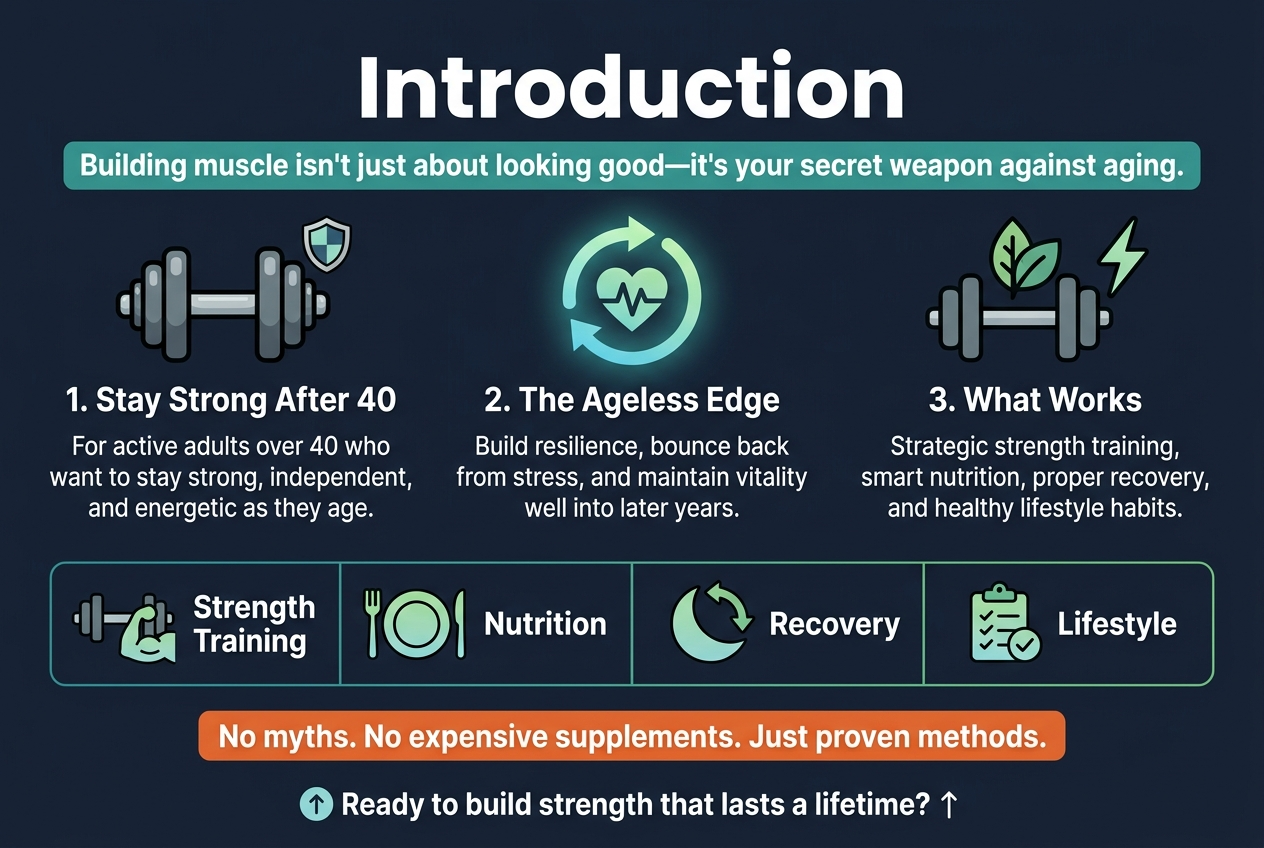
Building muscle isn’t just about looking good—it’s your secret weapon against aging. This guide is for active adults over 40 who want to stay strong, independent, and energetic as they age.
Getting older doesn’t mean accepting weakness or declining health. The latest research shows that strategic strength training and smart lifestyle choices can help you build what I call “The Ageless Edge”—the ability to bounce back from stress and maintain vitality well into your later years.
We’ll dive deep into the science-backed foundations of aging and muscle health, revealing why your body’s ability to recover from stress matters more than your chronological age. You’ll discover strategic strength training methods designed specifically for maximum anti-aging benefits, along with nutritional strategies that fuel long-term performance and health.
This isn’t about chasing fountain-of-youth myths or expensive supplements. We’re focusing on proven methods that work: the right exercises, proper nutrition, smart recovery, and lifestyle habits that actually move the needle on healthy aging.
Ready to build strength that lasts a lifetime?
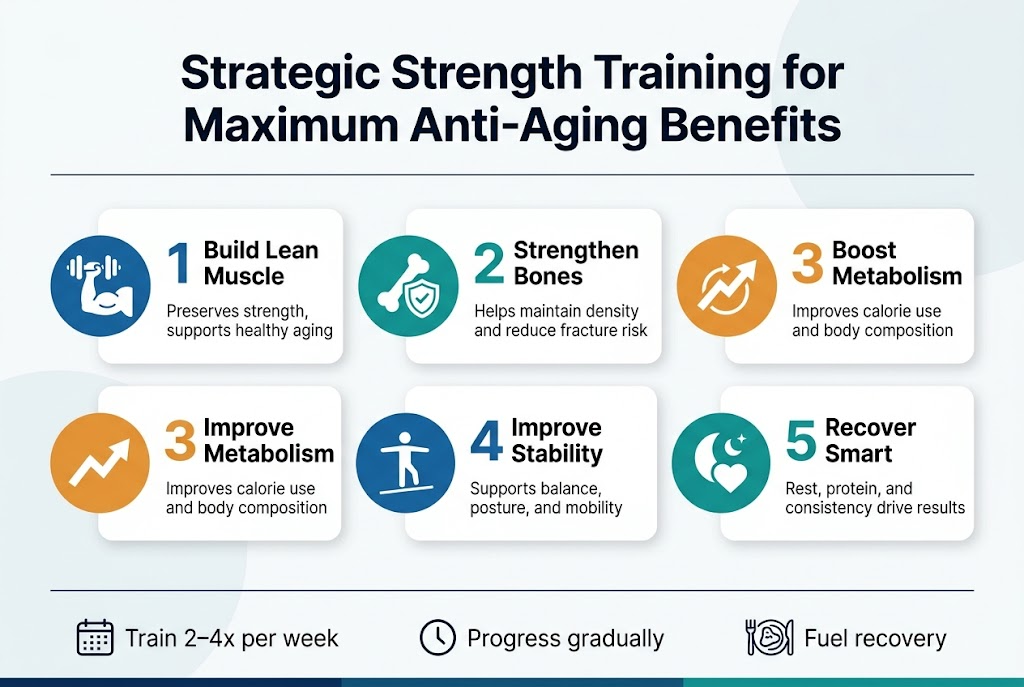
Strategic Strength Training for Maximum Anti-Aging Benefits
Progressive resistance protocols that reverse age-related decline
Resistance training stands as the cornerstone defense against the inevitable muscle mass decline that accompanies aging. This form of exercise acts as a primary weapon against the metabolic fragility that threatens our independence as we age. The key lies in understanding that lean muscle mass serves as our body’s protective armor against a cascade of age-related health challenges including falls, fractures, and metabolic syndrome.
Progressive resistance protocols work by systematically challenging your muscles with gradually increasing loads, forcing adaptation and growth even in later decades of life. This process directly counters sarcopenia, the age-related loss of muscle mass that typically begins in our thirties and accelerates after age 65. By maintaining and building lean mass, we preserve our functional capacity and reduce the risk of losing independence.
The metabolic benefits extend far beyond muscle preservation. Resistance training contributes significantly to keeping systemic inflammation in check, a critical factor in healthy aging. This anti-inflammatory effect helps protect against the chronic diseases that often accompany advancing age.
Compound movements that deliver whole-body rejuvenation
Compound movements represent the most efficient approach to resistance training for anti-aging benefits. These multi-joint exercises engage multiple muscle groups simultaneously, maximizing the protective effects of lean mass preservation throughout the entire body. The whole-body engagement characteristic of compound movements ensures comprehensive muscle activation and metabolic stimulation.
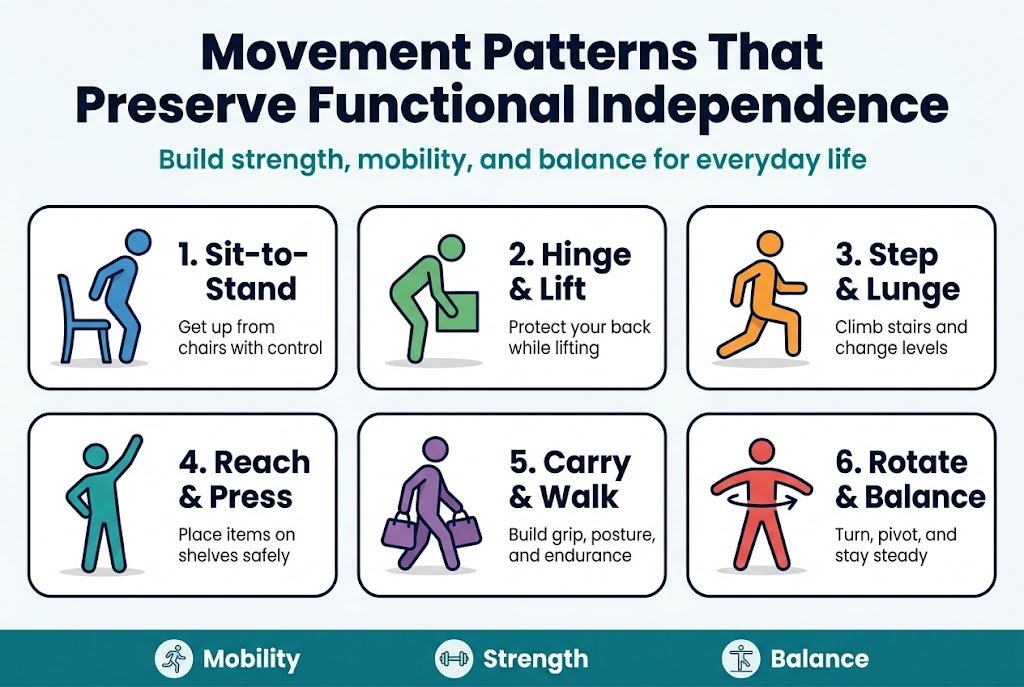
These movement patterns directly support the preservation of functional independence by training muscles to work together as they do in real-world activities. This integration helps maintain the coordination and strength patterns essential for daily living tasks, reducing the risk of falls and maintaining mobility throughout the aging process.
Recovery optimization techniques for enhanced muscle adaptation
Recovery optimization represents the often-overlooked foundation of successful strength training for anti-aging benefits. Quality sleep emerges as the single most undervalued recovery tool in medicine, yet it’s fundamental for maximizing the benefits of resistance training.
During sleep, multiple critical processes occur that directly support muscle adaptation and overall health. Growth hormone secretion peaks during deep sleep phases, facilitating muscle repair and growth. Simultaneously, proper sleep enables optimal cortisol regulation, preventing the muscle-wasting effects of chronic stress hormones.
Sleep also activates the brain’s glymphatic waste-clearing system, removing metabolic byproducts that accumulate during waking hours. This cellular housekeeping function is essential for reducing inflammation and supporting the recovery processes that allow muscles to adapt and grow stronger from resistance training stimuli.
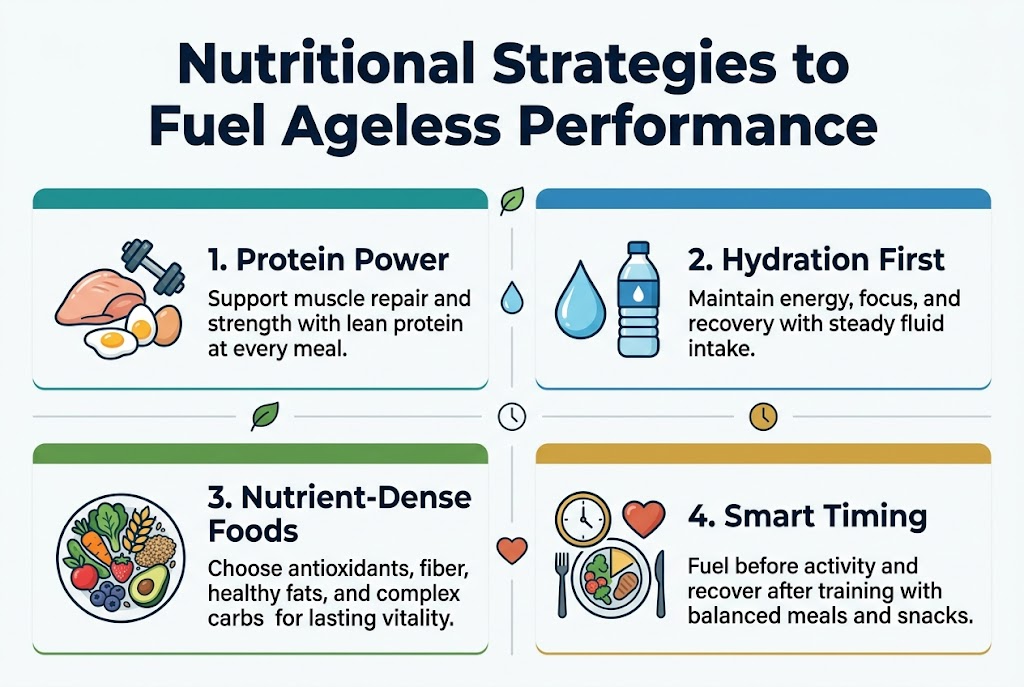
Nutritional Strategies to Fuel Ageless Performance
Protein Timing and Quality for Muscle Preservation
Now that we have covered the strategic approach to strength training, the foundation of ageless performance rests on proper nutrition timing and quality. Real, unprocessed whole food serves as the cornerstone of nutrition, playing a key factor in managing inflammation throughout the aging process. When it comes to protein, the quality and timing of consumption sends critical signals to pathways governing repair and stress response.
High-quality protein sources from whole foods provide the essential amino acids necessary for muscle protein synthesis. The timing of protein intake throughout the day creates a cascade of cellular repair mechanisms that directly combat age-related muscle loss. Every macronutrient consumed triggers specific signaling pathways that either support or hinder the body’s natural repair processes.
Anti-Inflammatory Foods That Combat Cellular Damage
With this foundation in mind, anti-inflammatory nutrition becomes paramount for cellular preservation. Real, unprocessed whole foods naturally contain phytochemicals that serve as powerful allies against cellular damage. These compounds work at the molecular level to reduce systemic inflammation, which is a primary driver of accelerated aging.
The strategic selection of anti-inflammatory foods goes beyond simple calorie counting. Each phytochemical present in whole foods sends specific signals to cellular repair mechanisms. These natural compounds activate pathways that enhance the body’s ability to combat oxidative stress and maintain optimal cellular function throughout the aging process.
Hydration Protocols for Optimal Physical Function
Previously, hydration has been overlooked as a critical component of anti-aging nutrition, yet it plays a fundamental role in maintaining optimal physical function. Proper hydration supports every cellular process involved in repair and stress response pathways. The timing and quality of fluid intake directly influences the body’s ability to transport nutrients and remove metabolic waste products.
Key Micronutrients That Support Longevity Pathways
Beyond macronutrient considerations, specific micronutrients act as cofactors in longevity pathways. These essential nutrients, found abundantly in real, unprocessed whole foods, support the cellular machinery responsible for DNA repair and metabolic efficiency. The synergistic effect of consuming these micronutrients from whole food sources maximizes their bioavailability and effectiveness in supporting healthy aging processes.
Movement Patterns That Preserve Functional Independence
Balance and Coordination Exercises for Fall Prevention
Maintaining lean muscle mass through resistance training protects against falls and loss of independence, making balance and coordination exercises essential components of functional fitness. As we age, our proprioceptive abilities naturally decline, increasing fall risk and threatening our ability to live independently. Incorporating targeted balance exercises into your routine can dramatically improve stability and confidence in daily movements.
Single-leg stands represent one of the most effective balance challenges, progressively building from holding onto a stable surface to performing the movement eyes-closed. Start with 30-second holds and gradually extend to 60 seconds on each leg. Walking heel-to-toe in a straight line mimics everyday navigation challenges while strengthening the stabilizing muscles around your ankles and core.
Dynamic balance exercises like standing on one foot while reaching in different directions simulate real-world scenarios where sudden movements might otherwise cause instability. Practice weight shifts from side to side and front to back, maintaining control throughout each movement pattern. These exercises directly translate to improved confidence when navigating uneven surfaces or changing directions quickly.
Flexibility Routines That Maintain Joint Health
Mobility serves as a key principle supporting healthy aging, with flexible joints enabling pain-free movement throughout daily activities. Regular flexibility work prevents the natural stiffening that occurs with age, preserving the range of motion necessary for functional independence.
Daily stretching routines should target major muscle groups that commonly tighten with age, including hip flexors, hamstrings, shoulders, and thoracic spine. Hold each stretch for 30-60 seconds, breathing deeply to allow tissues to lengthen gradually. Focus on gentle, sustained stretches rather than bouncing movements that can cause micro-tears.
Incorporate both static and dynamic stretching approaches. Static stretches work best after warming up the body, while dynamic movements like arm circles and leg swings prepare joints for activity. Hip circles, shoulder rolls, and gentle spinal twists maintain the mobility required for reaching overhead, bending down, and rotating to look behind you.
Daily Mobility Practices for Pain-Free Living
Functional fitness helps safeguard independence for adults, especially those 50 and beyond, through consistent daily mobility practices that address movement restrictions before they become painful limitations. Simple movements performed throughout the day can prevent stiffness and maintain the fluid motion patterns essential for comfortable living.
Morning mobility routines should include gentle spinal movements like cat-cow stretches and seated spinal twists to counteract overnight stiffness. Ankle pumps and circles restore circulation to the lower extremities, while shoulder blade squeezes address upper body tension from sleeping positions.
Throughout the workday, implement micro-mobility breaks every 30-60 minutes. Stand and perform hip flexor stretches, neck rotations, and thoracic spine extensions to combat the effects of prolonged sitting. These brief movement sessions maintain joint lubrication and prevent the gradual loss of range of motion that contributes to chronic pain patterns.
Evening routines should focus on releasing tension accumulated during daily activities. Gentle forward folds, supported backbends, and hip-opening stretches prepare the body for restorative sleep while maintaining the flexibility necessary for tomorrow’s activities.
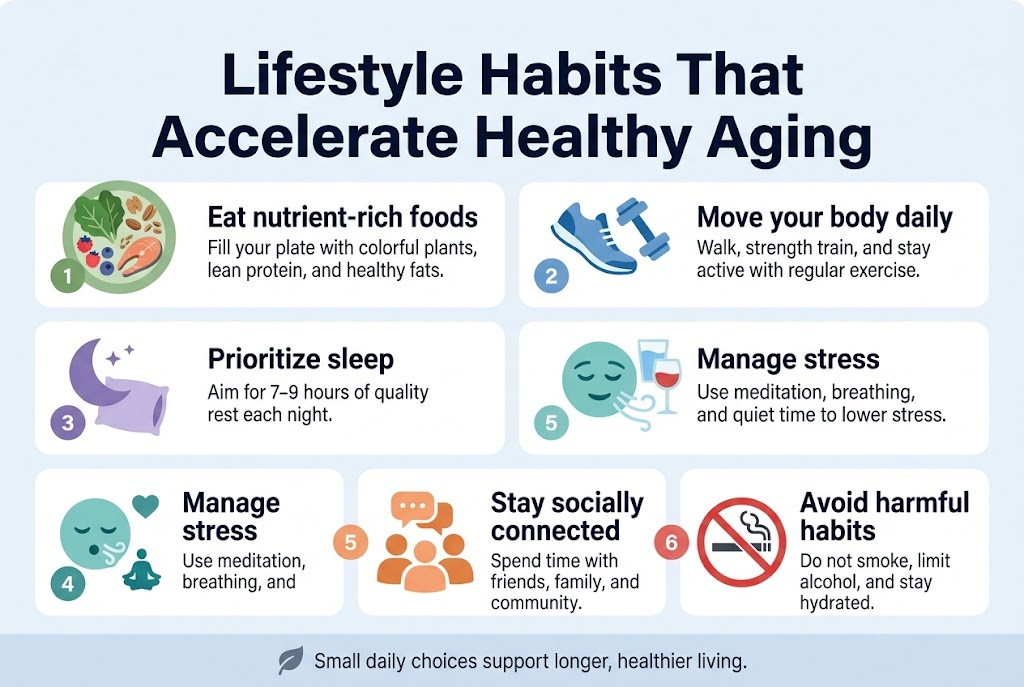
Lifestyle Habits That Accelerate Healthy Aging
Sleep Optimization for Muscle Recovery and Hormone Balance
Sleep optimization stands as one of the most undervalued recovery tools in the anti-aging arsenal. Quality sleep serves multiple critical functions that directly impact muscle recovery, hormone balance, and overall cellular regeneration. During deep sleep phases, the body releases growth hormone, which plays a crucial role in muscle protein synthesis and tissue repair. This nocturnal hormone surge becomes increasingly important as we age, when natural growth hormone production begins to decline.
The glymphatic system, often called the brain’s waste-clearing mechanism, operates most efficiently during sleep. This specialized network removes toxic proteins and cellular debris that accumulate during waking hours, including beta-amyloid plaques associated with cognitive decline. When sleep quality diminishes, this critical detoxification process becomes compromised, potentially accelerating aging at the cellular level.
Optimizing sleep requires attention to both sleep duration and quality. Adults should aim for 7-9 hours of consistent sleep, maintaining regular sleep-wake cycles that support circadian rhythm regulation. Creating an optimal sleep environment involves controlling temperature, minimizing light exposure, and establishing pre-sleep routines that signal the body to prepare for rest.
Stress Management Techniques That Protect Cellular Health
Now that we’ve established the foundation of quality sleep, stress management emerges as another pillar of healthy aging. Chronic stress triggers the release of cortisol and other inflammatory markers that can accelerate cellular aging through oxidative damage and telomere shortening.
Effective stress management techniques work by activating the parasympathetic nervous system, promoting a state of rest and repair. These approaches help maintain cellular integrity while supporting the body’s natural recovery processes. Regular stress reduction practices can significantly impact how our cells respond to daily challenges and age-related changes.
Social Engagement Strategies That Boost Mental and Physical Vitality
With this understanding of stress’s impact on aging, social engagement provides a powerful counterbalance that enhances both mental and physical health. Strong social connections have been linked to improved immune function, better cardiovascular health, and increased longevity. Regular social interaction stimulates cognitive function while providing emotional support that naturally reduces stress levels.
Environmental Factors That Support Longevity Goals
Previously established lifestyle habits create the foundation, but environmental factors significantly influence how effectively these practices translate into longevity benefits. The physical environment in which we live, work, and exercise can either accelerate or decelerate the aging process through exposure to toxins, air quality, natural light availability, and access to movement opportunities.
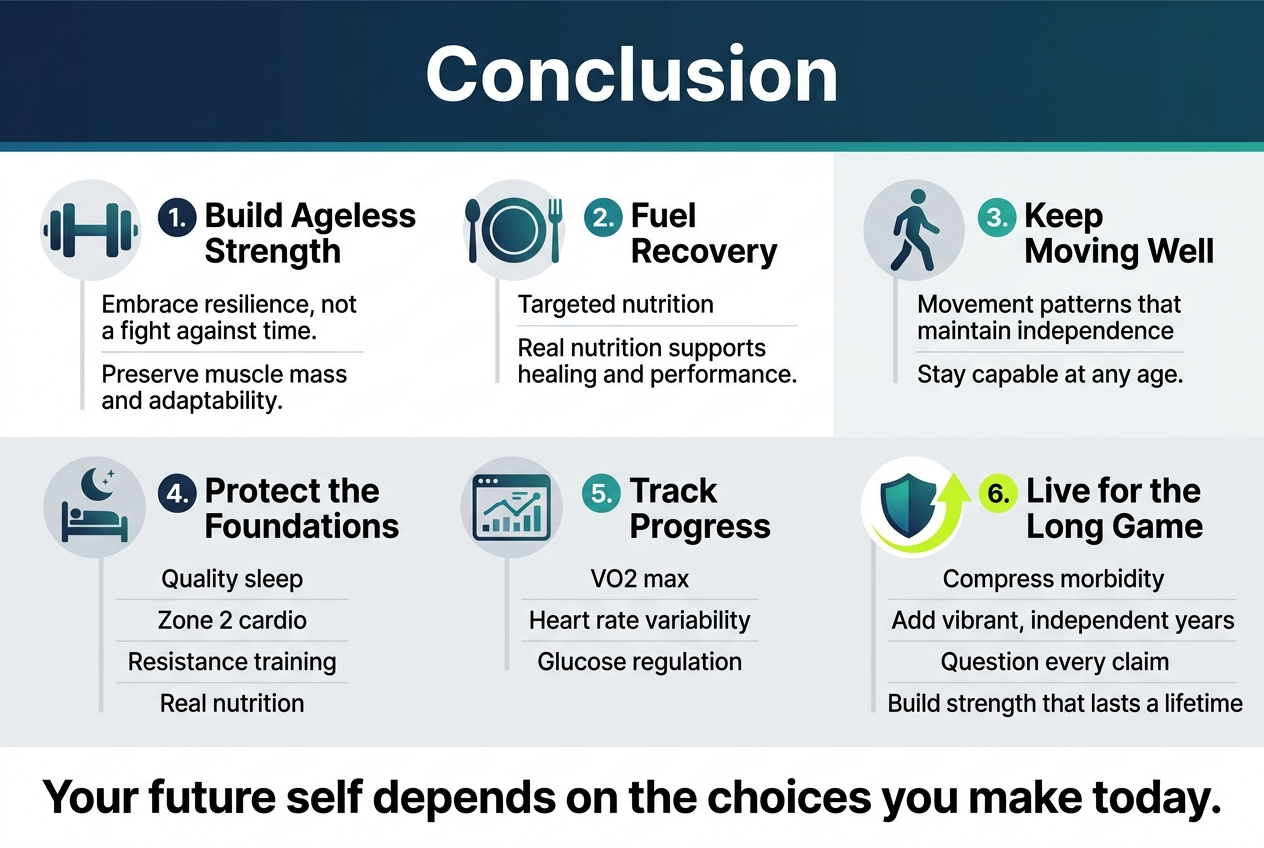
Building ageless strength isn’t about fighting time—it’s about embracing resilience. Through strategic strength training that preserves muscle mass, targeted nutrition that fuels recovery, movement patterns that maintain independence, and lifestyle habits that support adaptability, you create a body capable of thriving at any age. The fundamentals remain clear: Zone 2 cardio, resistance training, quality sleep, and real nutrition form the foundation of longevity, while metrics like VO2 max, heart rate variability, and glucose regulation help you track your progress.
The goal isn’t just to add years to your life, but to compress morbidity and make your later decades vibrant and independent. Start with the proven foundations before exploring advanced protocols. Question every claim, invest in the long game, and remember that a resilient body adapts. Your future self depends on the choices you make today—build strength that lasts a lifetime.